

Technology
Amazon plans to map every product for sale, including those on independent sellers’ own websites
A leaked internal plan would see Amazon collect product data from brands and crawl rival retailers’ sites to power its AI shopping assistant.


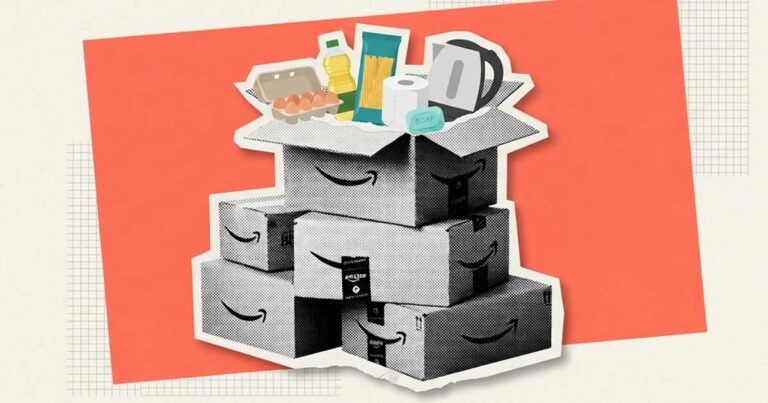
Amazon is working on plans to build a database of almost every product for sale online, including items it doesn’t stock, as reported by Reuters after it saw an internal document outlining the project.
The project is called World Product Graph. Some brands and retailers would send their product data to Amazon on an ongoing basis, and Amazon would crawl other retailers’ websites to fill in the rest.
Coca-Cola and Bayer have already signed up to share their product data, and Amazon has held a trial summit with Procter & Gamble.
It’s still early days. The plan is set out in a PR/FAQ, the six-page proposal Amazon writes before it commits to building something, and plenty of those never get off the ground. This one has an aspirational launch date of 1st October 2027, and Amazon is reportedly already moving staff over to get it started. Reuters couldn’t confirm whether it will go ahead.
Amazon has described the document as an outdated draft that doesn’t necessarily reflect its current plans. It didn’t rule the idea out, though, and said it’s always working to make its catalogue comprehensive, accurate and helpful.
Free · Tuesday & FridayStay ahead of UK ecommerce
Finding this useful? This is one of dozens of updates like it we track every week. Get the ones that matter to UK sellers in your inbox, twice a week – free.
The project is closely linked to Amazon’s AI shopping assistant. The document says many answers from Rufus, which was renamed Alexa for Shopping in May, are wrong or incomplete, and that around 83 million searches go through it every week. Amazon disputes this. It says the assistant is roughly 97% accurate globally and that the usage figures are well out of date.
It’s also about winning the research stage of shopping, where Google is well ahead. A 2025 Morgan Stanley report cited by Reuters found 57% of online shoppers start their product research on Google, compared with 16% on Amazon. Once shoppers know what they want to buy, it’s a different picture, with 41% of those searches starting on Amazon.
Google says its own Shopping Graph now holds more than 60 billion product listings.
People familiar with the plan told Reuters it would also help steer third-party AI shopping agents towards Amazon rather than other retailers. Amazon blocked Meta’s Muse agent from its site in September and is still in a legal dispute with Perplexity over similar access.
For independent sellers, the crawling isn’t new. World Product Graph is described as an expansion of Buy for Me and Shop Direct, two US features that pull products from other websites into Amazon’s search results. With Buy for Me, Amazon also places the order on the brand’s own site on the shopper’s behalf.
Both features drew complaints at the start of the year when small brands found their products listed on Amazon without being asked. Modern Retail reported that a survey run by one affected stationery brand received 145 responses from businesses that believed their products had been listed without consent.
Amazon says businesses can opt out at any time by emailing branddirect@amazon.com.
Neither Buy for Me nor Alexa for Shopping has launched in the UK yet. Alexa+ opened for early access here on 19th March, but Amazon hasn’t given a UK date for its AI shopping assistant.
Mike Callachan
Mike Callachan is the founder of Beyond the Basket, a twice-weekly newsletter covering UK ecommerce. He has run online shops for more than a decade, most recently a personalised gift business selling across WooCommerce, Etsy and TikTok Shop. He writes about the platform changes, regulation and marketing shifts that land on small sellers first.
Related stories


Don’t leave empty-handed.
Join 500+ for other UK sellers staying ahead of the curve.
Stay ahead - Subscribe for the, 5-minute twice weekly read, that could help give your store the edge.
By subscribing, you agree to our terms of service