
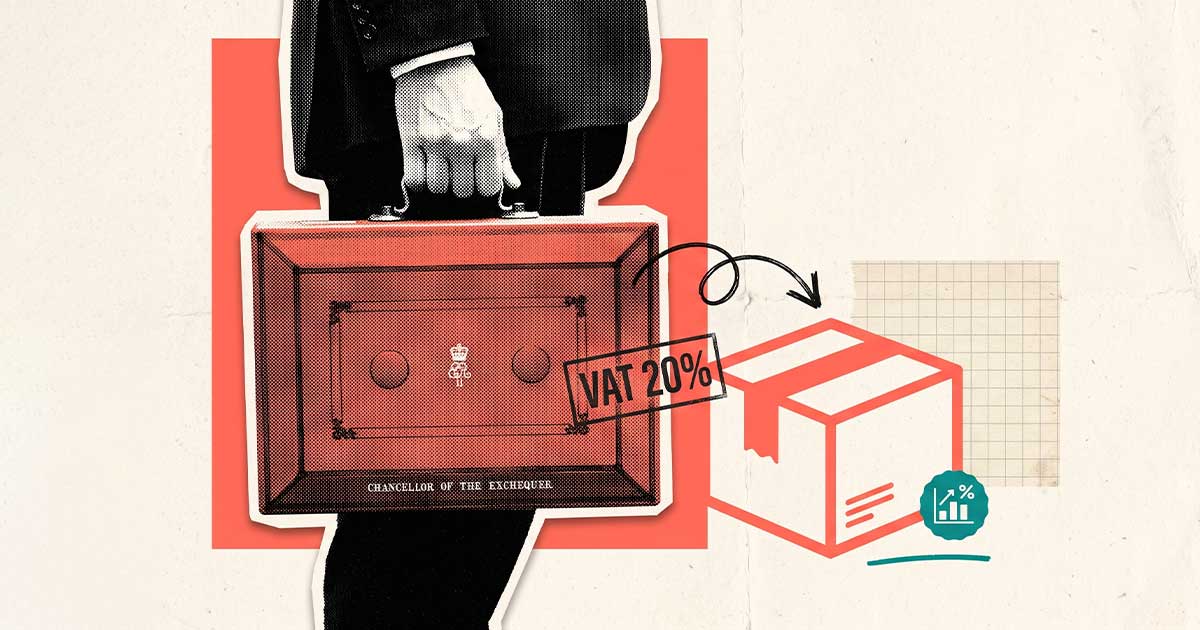
From October 2027, online marketplaces will collect the VAT on sales made by UK sellers, Chancellor John Healey confirmed in his first Budget on Wednesday. The rules cover UK VAT-registered businesses and any other UK business selling more than £90,000 a year through a single platform.
Marketplaces have collected VAT on behalf of overseas sellers since 2021. The government is now applying the same deemed supplier model to UK sellers.
The Treasury is presenting it as an anti-avoidance measure. It targets UK-based online sellers who undercut high street retailers by not charging or paying the VAT they owe. In his Budget statement, Healey said he would strengthen the requirements on marketplaces so sellers can no longer avoid VAT when they sell online.
The change has clear limits. Personal sales, second-hand goods and business-to-business transactions are all excluded. People clearing out their own belongings and businesses selling used goods on the margin scheme are outside the rules.
STAY AHEAD OF UK ECOMMERCE
Found this useful? This is one of dozens of updates like it we track every week. Get the ones that matter to UK sellers in your inbox, twice a week – free.
For UK sellers who aren’t VAT registered, the government has set the £90,000 per-platform threshold at the same level as the VAT registration threshold. The Budget leaves that registration threshold unchanged. A seller under that figure on a given marketplace sees no change.
For VAT-registered sellers, the difference is who collects the tax. The marketplace will take the VAT at the point of sale, where the seller currently charges it and pays it over to HMRC themselves.
HMRC consulted on extending marketplace liability to UK businesses between 23rd June and 18th August this year. A minimum platform threshold was one of the main options put forward.
The Treasury says the money raised will go back into the high street through business rates cuts. In the same Budget, Healey raised the small business rate relief threshold for retail, hospitality and leisure businesses from £12,000 to £18,000.
The government hasn’t yet explained how marketplace collection will work for sellers on special VAT schemes, including the Flat Rate Scheme. Sellers on that scheme pay HMRC a lower percentage of turnover but still charge customers the full rate.
The Budget also triples the Trading Allowance from £1,000 to £3,000 from 6th April 2027. That raises the amount individuals can earn from trading each year before it becomes taxable.
eBay and Amazon have both backed the marketplace VAT change, as reported by ChannelX. Eve Williams, general manager of eBay UK, welcomed the protections for individual sellers and businesses selling used goods, along with the decision to keep the £90,000 threshold.
Monica Ariño, Amazon’s director of UK public policy, said extending the rules to all sellers regardless of location would help close a loophole exploited by bad actors. She added that it would put the UK small businesses selling on Amazon on a level playing field.


